

Black seed, also known as Nigella sativa, has been traditionally used for centuries for its potential health benefits. Some of the reported benefits of black seed include:
- Anti-inflammatory Properties: Black seed contains thymoquinone, which has been studied for its anti-inflammatory effects. It may help reduce inflammation in conditions such as arthritis and asthma.
- Antioxidant Effects: The antioxidants in black seed may help protect cells from damage caused by free radicals, potentially lowering the risk of chronic diseases.
- Immune System Support: Black seed has been shown to have immunomodulatory effects, which means it may help support the immune system and its response to infections.
- Antimicrobial Properties: Black seed oil has demonstrated antimicrobial properties against a variety of pathogens, including bacteria, viruses, and fungi. It may help in fighting infections and promoting overall health.
- Cardiovascular Health: Some studies suggest that black seed may have a positive impact on cardiovascular health by helping to lower blood pressure, reduce cholesterol levels, and improve overall heart health.
- Digestive Health: Black seed may aid in digestion and alleviate symptoms of gastrointestinal issues such as bloating, gas, and indigestion.
- Skin Health: Due to its anti-inflammatory and antioxidant properties, black seed oil is sometimes used topically to treat skin conditions such as acne, eczema, and psoriasis.
- Weight Management: While more research is needed, some studies suggest that black seed may aid in weight management by reducing appetite and promoting fat loss.
- Diabetes Management: Black seed has been studied for its potential to improve blood sugar levels and insulin sensitivity, which could benefit individuals with diabetes.
- Respiratory Health: Black seed may help alleviate symptoms of respiratory conditions such as asthma, bronchitis, and allergies due to its anti-inflammatory and bronchodilatory effects.
It’s important to note that while black seed shows promise in various areas of health, more research is needed to fully understand its mechanisms of action and potential benefits. Additionally, individual responses to black seed may vary, and it’s always advisable to consult with a healthcare professional before incorporating it into your routine, especially if you have any underlying health conditions or are taking medications.
Black seed oil is derived from the seeds of the Nigella sativa plant, commonly known as black cumin or black seed. It has been used for centuries in traditional medicine practices, particularly in the Middle East and South Asia, for its potential health benefits. Here are some key points about black seed oil:
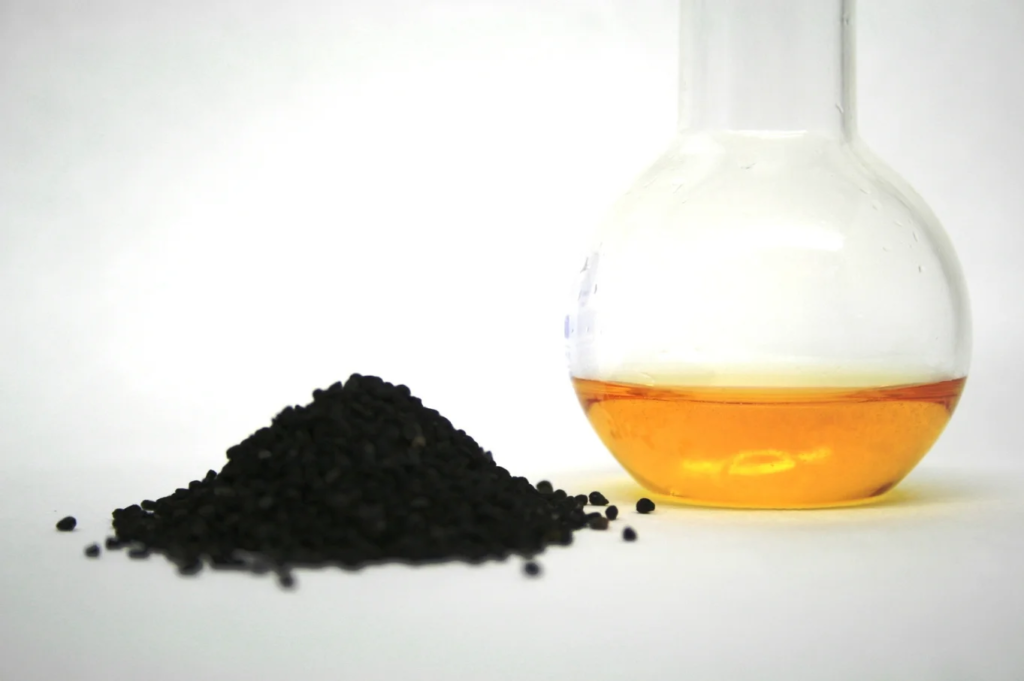
- Composition: Black seed oil contains various active compounds, including thymoquinone, thymohydroquinone, and dithymoquinone, which are believed to contribute to its medicinal properties. It also contains fatty acids, vitamins, and minerals.
- Anti-inflammatory Properties: Thymoquinone, one of the main components of black seed oil, has been studied for its anti-inflammatory effects, which may help reduce inflammation in the body and alleviate symptoms of conditions such as arthritis and asthma.
- Antioxidant Effects: Black seed oil is rich in antioxidants, which help protect cells from damage caused by free radicals. This antioxidant activity may contribute to its potential health benefits, including supporting cardiovascular health and reducing the risk of chronic diseases.
- Immune System Support: Some research suggests that black seed oil may have immunomodulatory effects, meaning it can help regulate the immune system and enhance its response to infections.
- Antimicrobial Properties: Black seed oil has demonstrated antimicrobial activity against a variety of pathogens, including bacteria, viruses, and fungi. This antimicrobial activity may help in fighting infections and promoting overall health.
- Skin Health: Due to its anti-inflammatory and antioxidant properties, black seed oil is sometimes used topically to treat skin conditions such as acne, eczema, and psoriasis. It is believed to help reduce inflammation, soothe irritation, and promote healing.
- Digestive Health: Some people use black seed oil to aid digestion and alleviate symptoms of gastrointestinal issues such as bloating, gas, and indigestion. It may help regulate digestion and support overall gastrointestinal health.
- Hair and Scalp Health: Black seed oil is also used topically for hair and scalp health. It is believed to nourish the scalp, strengthen hair follicles, and promote healthy hair growth. Some people use it to address issues like dandruff and dry scalp.
- Weight Management: While more research is needed, some studies suggest that black seed oil may aid in weight management by reducing appetite and promoting fat loss.
- Diabetes Management: There is some evidence to suggest that black seed oil may help improve blood sugar levels and insulin sensitivity, which could benefit individuals with diabetes. However, more research is needed in this area.
It’s important to note that while black seed oil shows promise in various areas of health, more research is needed to fully understand its effects and mechanisms of action. Additionally, individual responses to black seed oil may vary, and it’s always advisable to consult with a healthcare professional before using it, especially if you have any underlying health conditions or are taking medications.